Chimney relining in Fargo
The liner is the part you cannot see, and the one that matters most for safety. Here is when a chimney needs a new one.
Prefer to talk? Call (701) 936-7113.
Request a free quote
What a flue liner does
The liner is the tube inside the chimney that carries smoke and combustion gas up and out. It protects the surrounding brick and the wood framing of the house from heat and acidic condensation, and it keeps the flue the right size for the appliance.
Types of liner
- Clay tile: the traditional liner in older masonry chimneys. Durable, but the tiles can crack.
- Stainless steel: a metal tube lowered down the flue. The most common replacement.
- Cast-in-place: a cement-like lining formed inside the flue. Used when the flue is irregular.
Signs your liner is damaged
- Pieces of clay tile in the firebox or cleanout
- Cracked or missing tiles on a camera inspection
- Smoke or a burning smell indoors when the fireplace or furnace runs
- A past chimney fire, even a small one you did not notice
- Crumbling mortar inside the flue
When a new liner is needed even if the old one is fine
Switching a furnace, boiler or water heater to a high-efficiency model, or adding a wood stove or fireplace insert, usually means a new liner sized for the appliance. Cooler exhaust gas condenses inside an old flue and attacks the masonry.
How a liner problem is found
A Level 2 inspection sends a camera down the flue. It is the standard way to see cracks and gaps that a visual check from the top or bottom will miss.
Safety first
A cracked liner can let heat reach wood framing and let carbon monoxide into the house. If a carbon monoxide alarm sounds, leave the house and call 911. If you suspect liner damage, stop using the appliance until a pro has looked.
Chimney details, up close
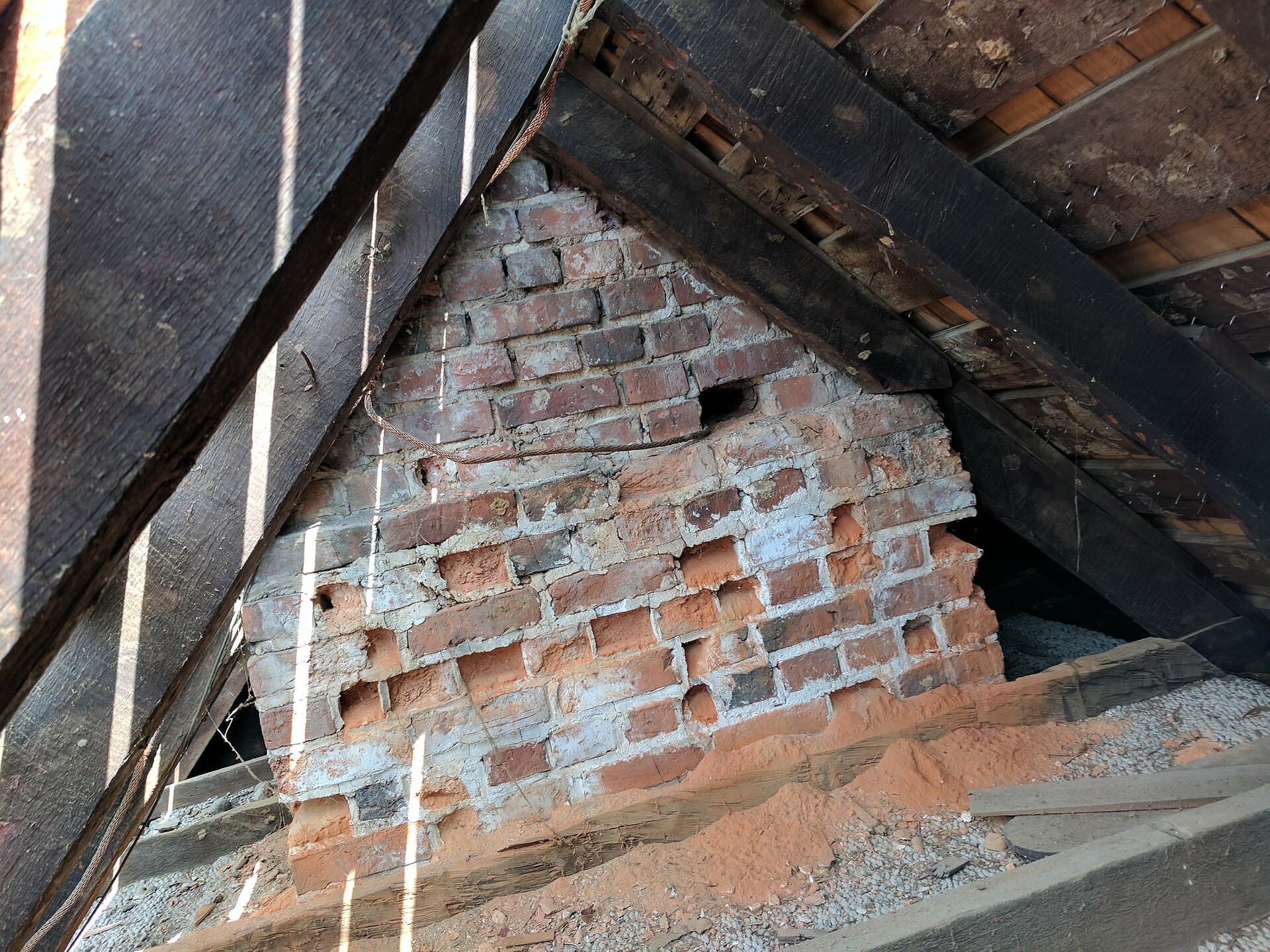
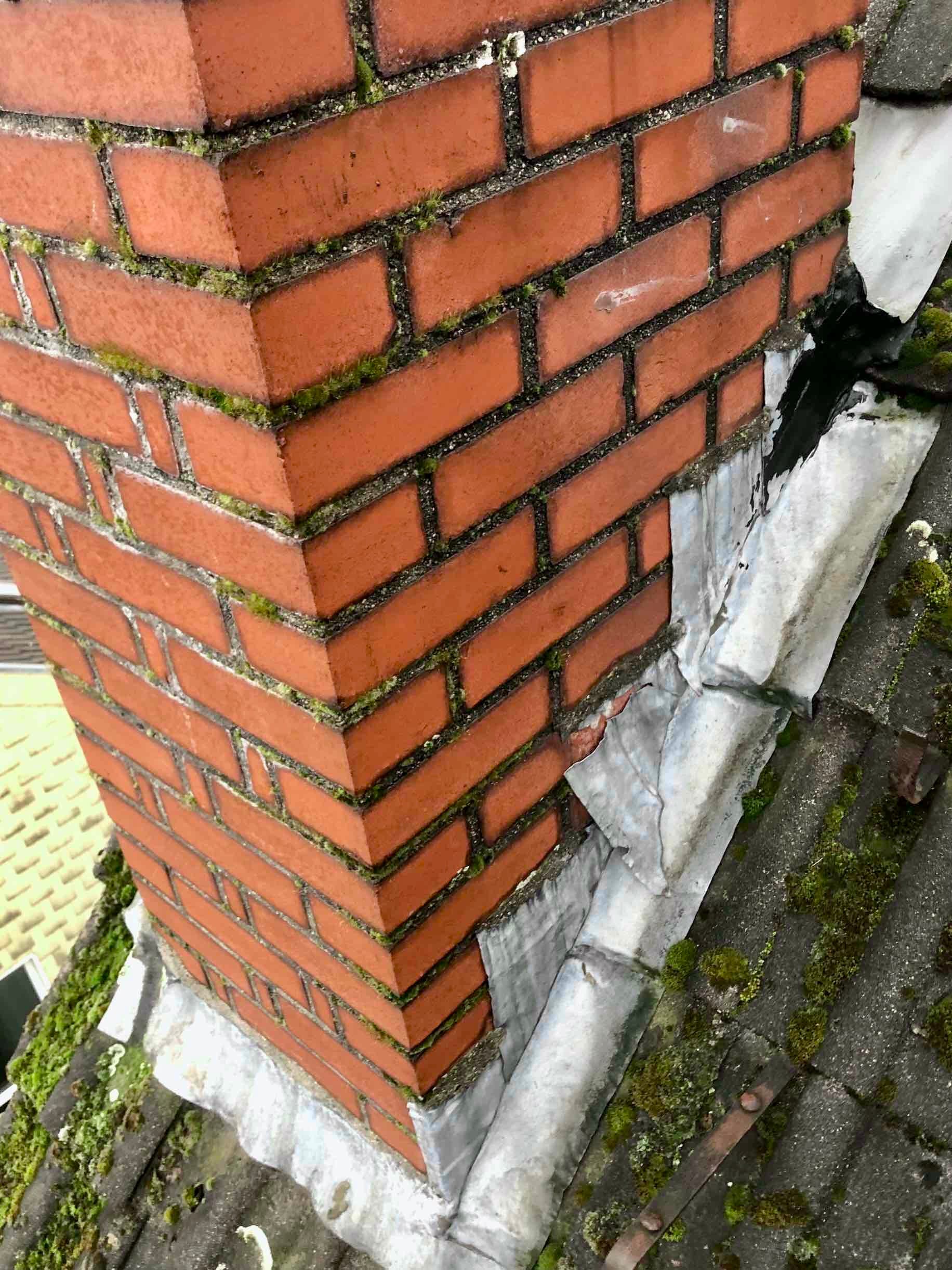
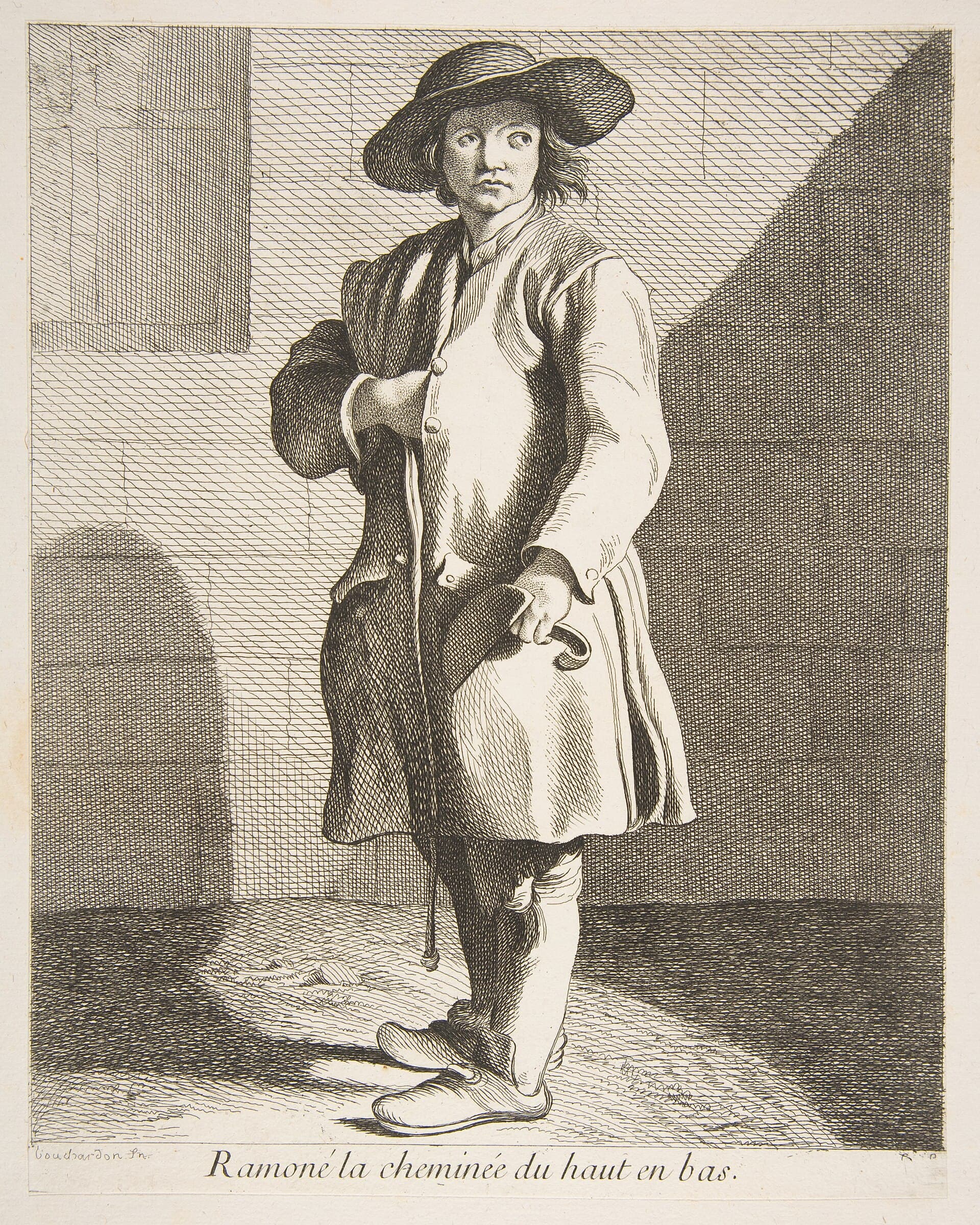
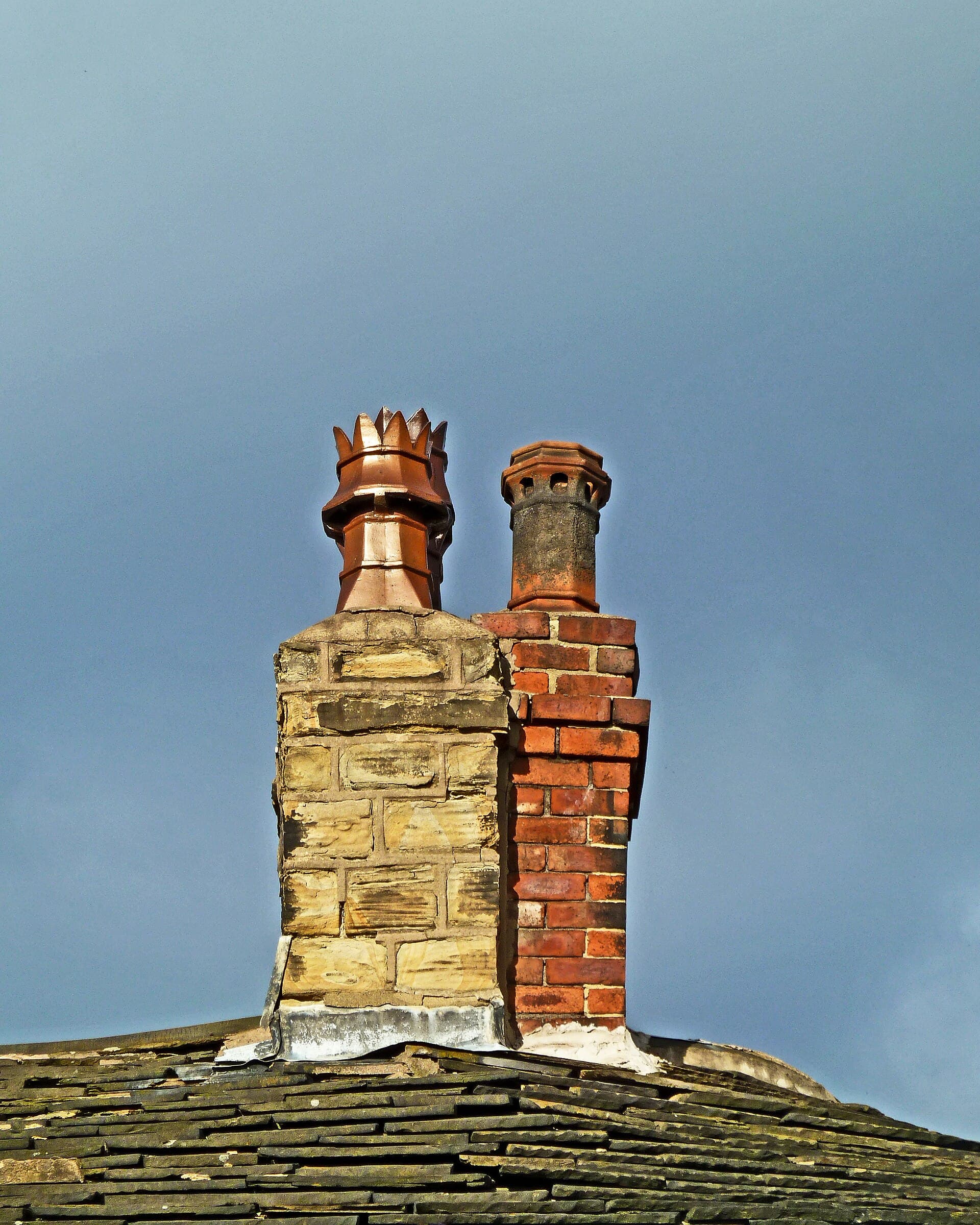
Two chimney stacks with clay pots (Horbury, England). Photo credit: Tim Green.
Common questions
LifespanHow long does a chimney liner last?
It depends on the type and how the chimney is used. Clay tile can last for decades if the chimney stays dry and has not had a chimney fire. Stainless steel liners are often sold with long warranties, but terms vary, so ask what is covered.
GasDo I need a liner for a gas furnace?
Often, especially after a switch to a high-efficiency furnace or water heater. Local code and the appliance maker's instructions decide it, and a pro can check your setup.
RepairCan a cracked clay liner be repaired?
Some resurfacing systems can repair minor cracks. Heavy damage, or missing tiles, usually means a new liner.
CostHow much does relining cost?
National guides put relining at about $900–$7,000, depending on the liner type and chimney height.
Keep reading
Last updated October 26, 2026.
Free chimney quote
Tell us what is wrong and where you are. A local pro takes it from there. It costs you nothing.